Wildcat Discovery Technologies is now part of HOLYVOLT.

Case Study: How We Helped A Cellmaker Not Just Hit Its Roadmap — But Surpass It.

Case Study: Product Roadmap

How we helped a cellmaker not just hit its roadmap — but surpass it.
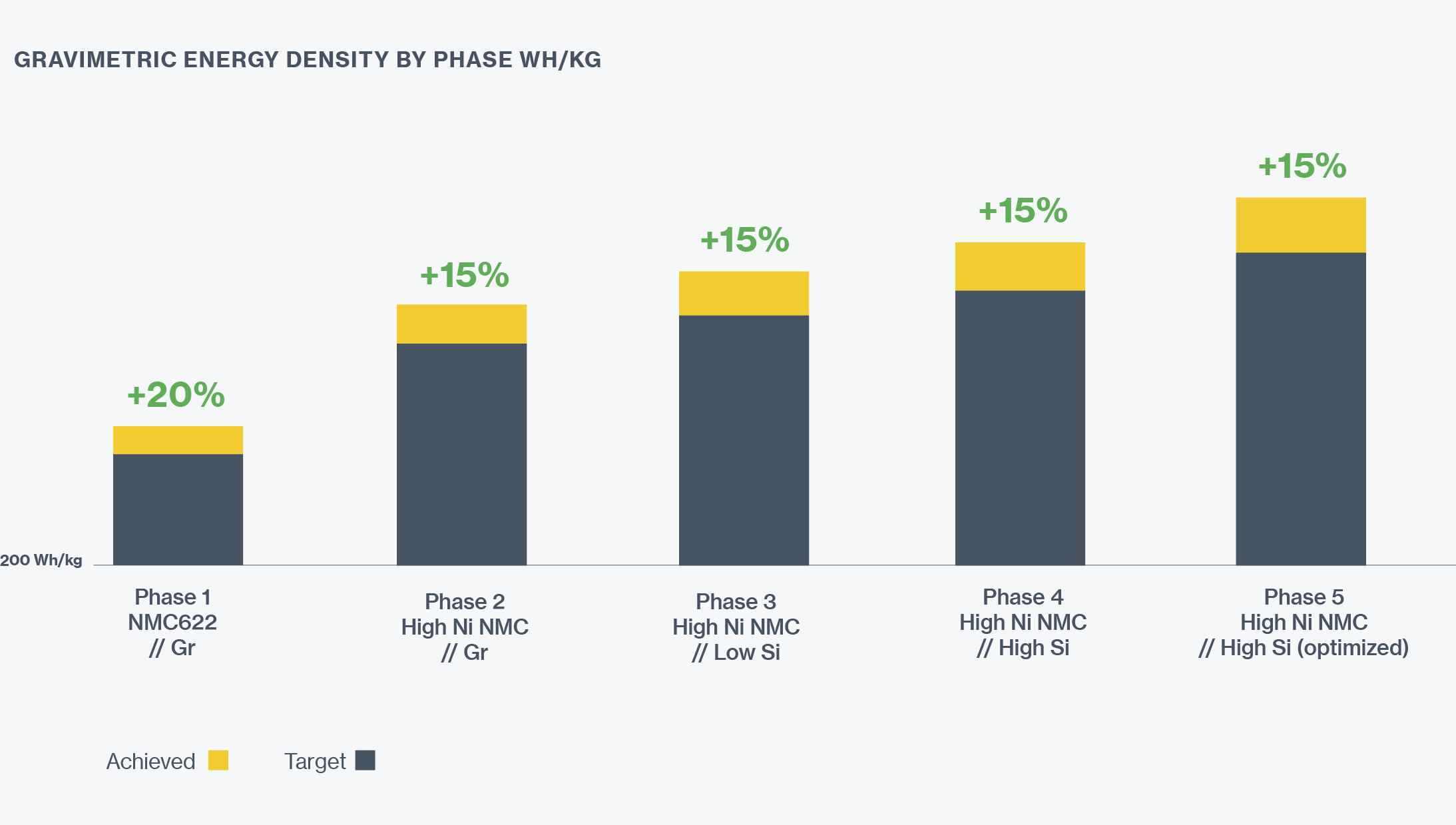
Bar chart: gravimetric energy density by phase (Wh/kg) — achieved energy density exceeded the target in all five phases, by +20% in Phase 1 and +15% in Phases 2 through 5
A leading European cell manufacturer partnered with Wildcat to build a multi-phase Li-Ion technology roadmap, and exceeded every energy density target by up to 20%.

Our Approach: A 5-step
High-Throughput roadmap process.

Traditional research conducted in University and National Labs does not allow the investigation of many cell parameters in parallel due to capacity or equipment limitations.

Wildcat’s unique High Throughput Platform (HTP) allows the parallel investigation of the best material combinations and novel cell designs, that enable the development of state-of-the-art technology at an unprecedented speed.

1. Roadmap Design

Define a portfolio of cell technologies.

A portfolio of Li-Ion cell technologies with increasing energy densities is developed based on material integration and advanced electrode designs. The roadmap plan is split into 5 Phases, each with 8-12 month cadence and each having increasingly challenging cell targets.
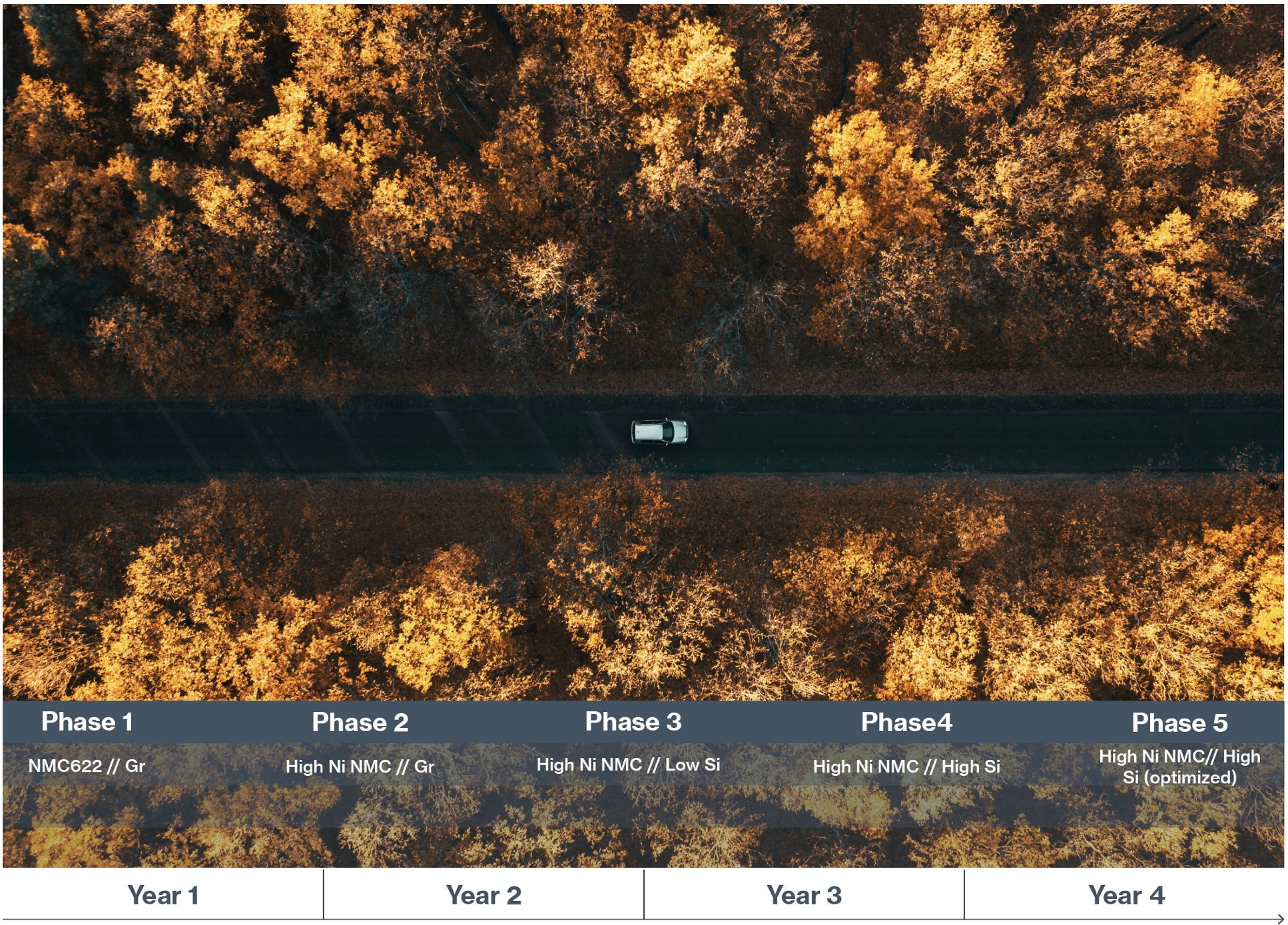
Aerial photo of a car on a road through autumn forest, overlaid with a five-phase roadmap timeline from NMC622 // Gr in Year 1 to High Ni NMC // High Si (optimized) in Year 4

2. Benchmark Materials

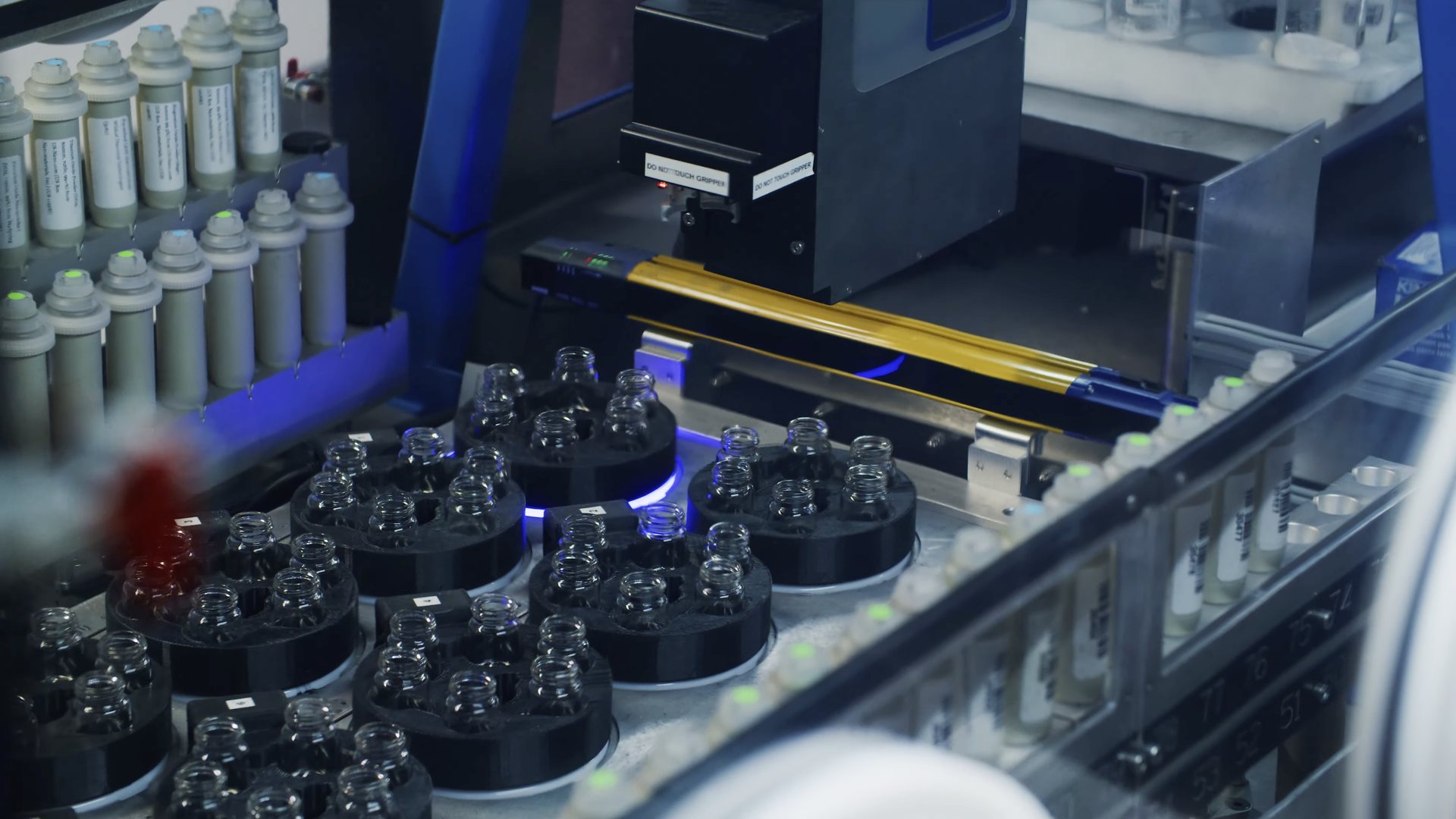
Automated high-throughput lab equipment handling rows of sample vials
Run a design-of-experiments using the best materials available in the industry

Rather than a fixed materials set, Wildcat’s HTP platform benchmarked materials from across the global supply chain — ensuring every design-of-experiments reflected the true frontier of available technology.
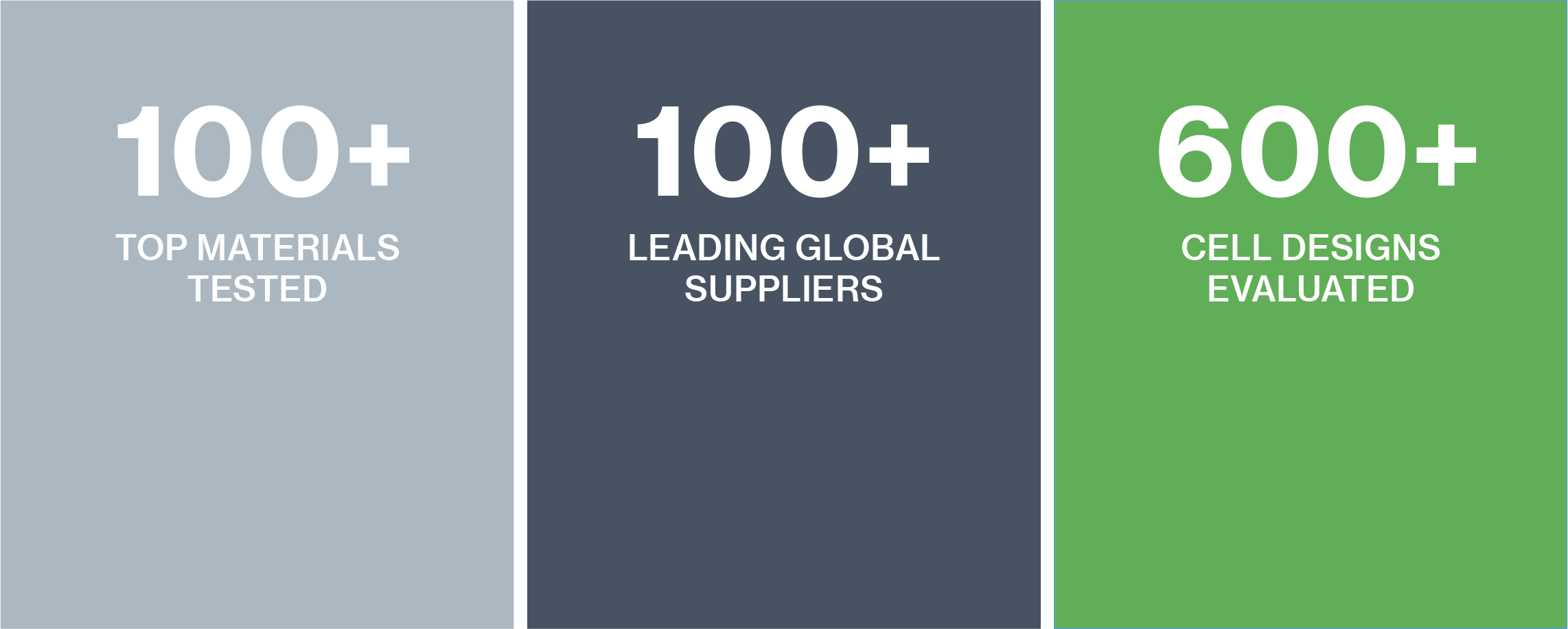
Three stat tiles: 100+ top materials tested, 100+ leading global suppliers, 600+ cell designs evaluated
All within a 4-year program

3. Optimize Electrode / Electrolyte

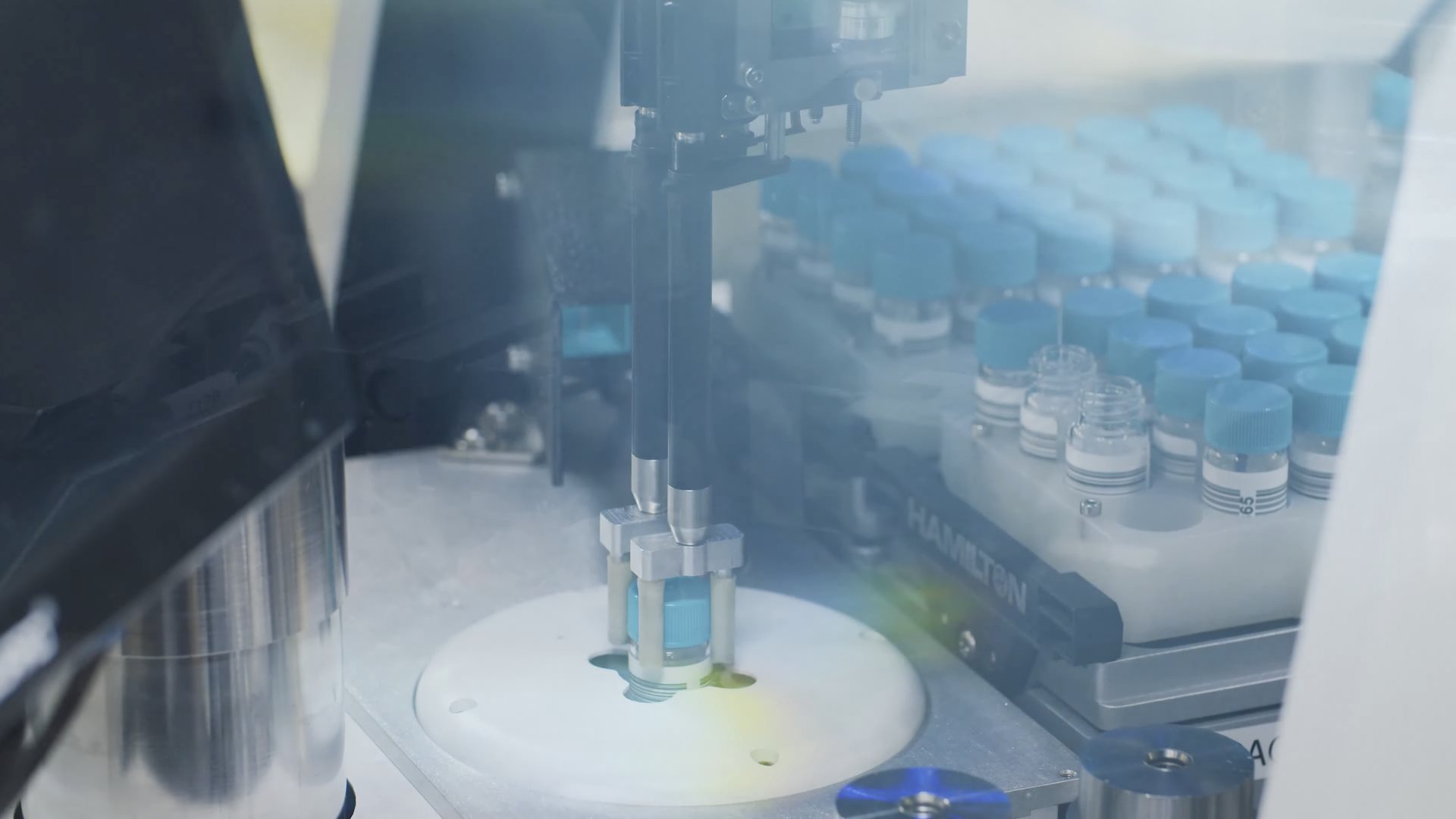
Robotic liquid-handling platform preparing electrolyte formulations in vials
Run design-of-experiments to develop the best electrolyte and electrode formulations (binders, separators, loadings, etc.)

Using Wildcat’s unique High Throughput Platform, active and inactive materials from top suppliers can be rapidly benchmarked based on their performance for the customer’s Key Performance Indicators (KPIs).
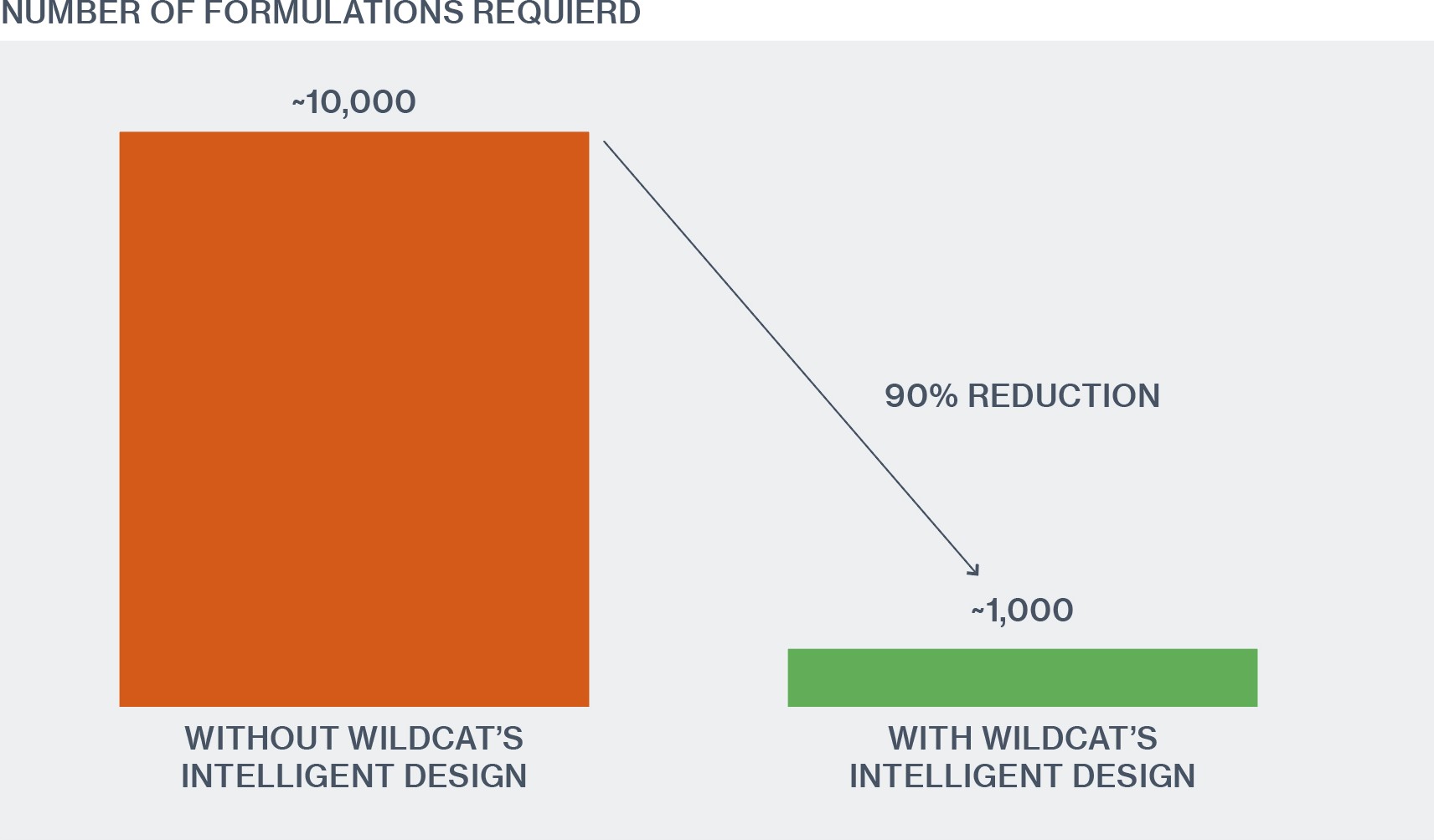
Chart: number of formulations required — about 10,000 without Wildcat's intelligent design versus about 1,000 with it, a 90% reduction
Leveraging years of High-Throughput R&D experience, Wildcat uses intelligent experimental design to group variables into parallel workstreams rather than testing every possible combination — reducing the number of experiments required by up to 90%.

4. Select Best Integrated Cell

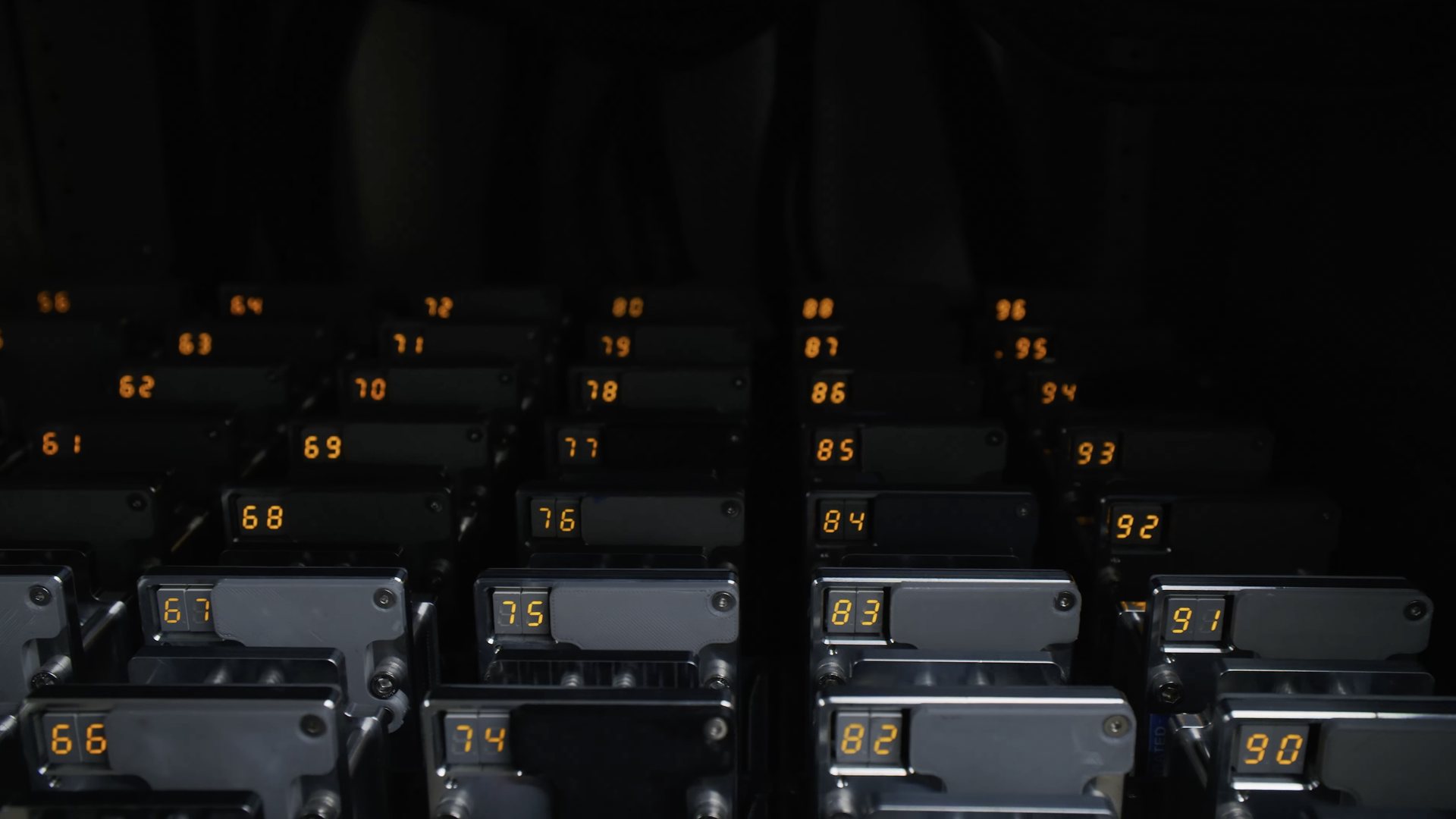
Rows of battery test channels with orange digital readouts
Define the best combination of materials into the best “integrated” cell

Wildcat’s HTP allows to investigate all the critical material combinations and electrode formulations, providing the most educated approach for a successful and reliable cell design.
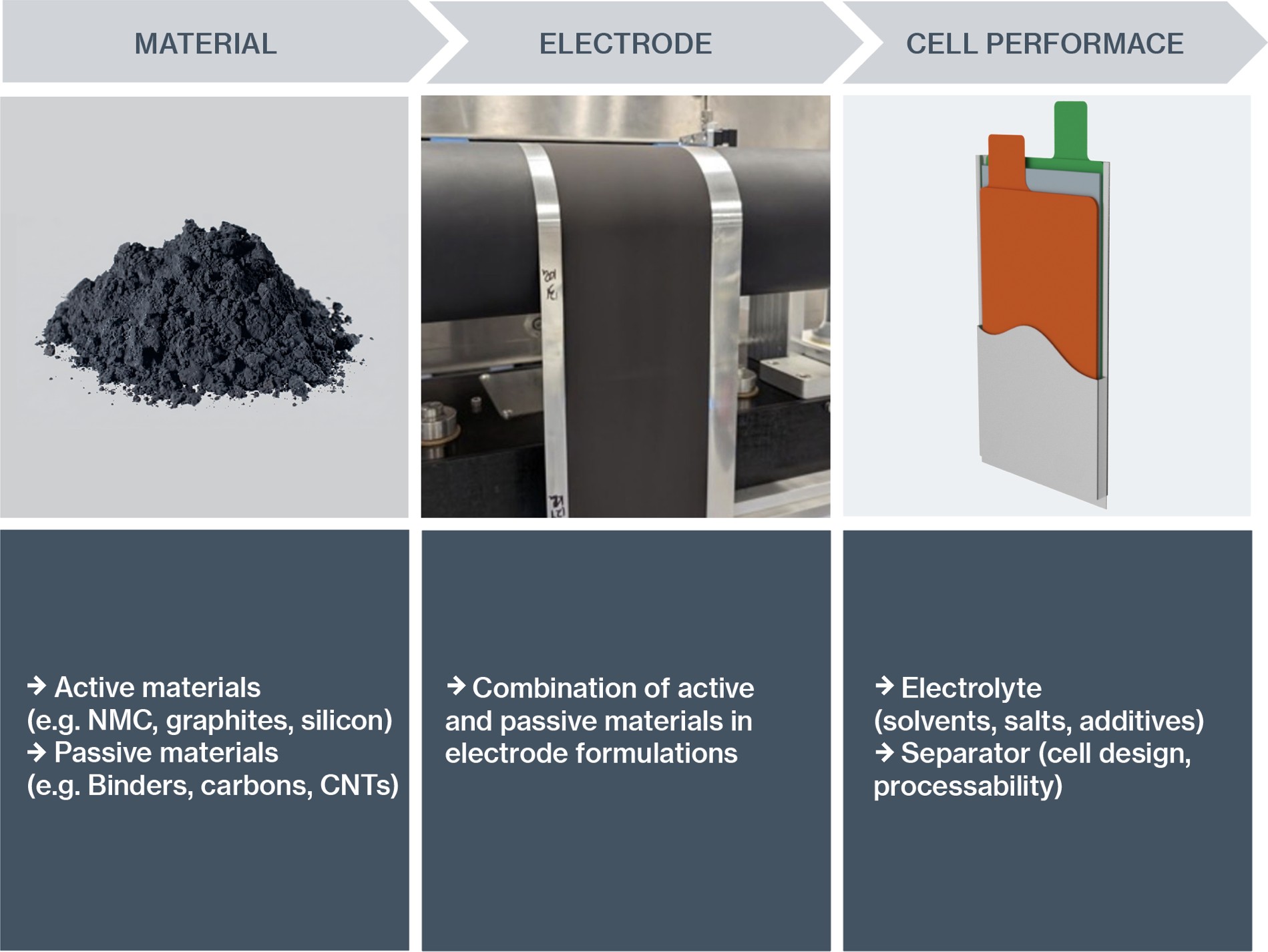
Diagram: material (active materials such as NMC, graphites and silicon; passive materials such as binders, carbons and CNTs), electrode (combination of active and passive materials in electrode formulations) and cell performance (electrolyte solvents, salts and additives; separator, cell design and processability)

5. Ready to Commercialize

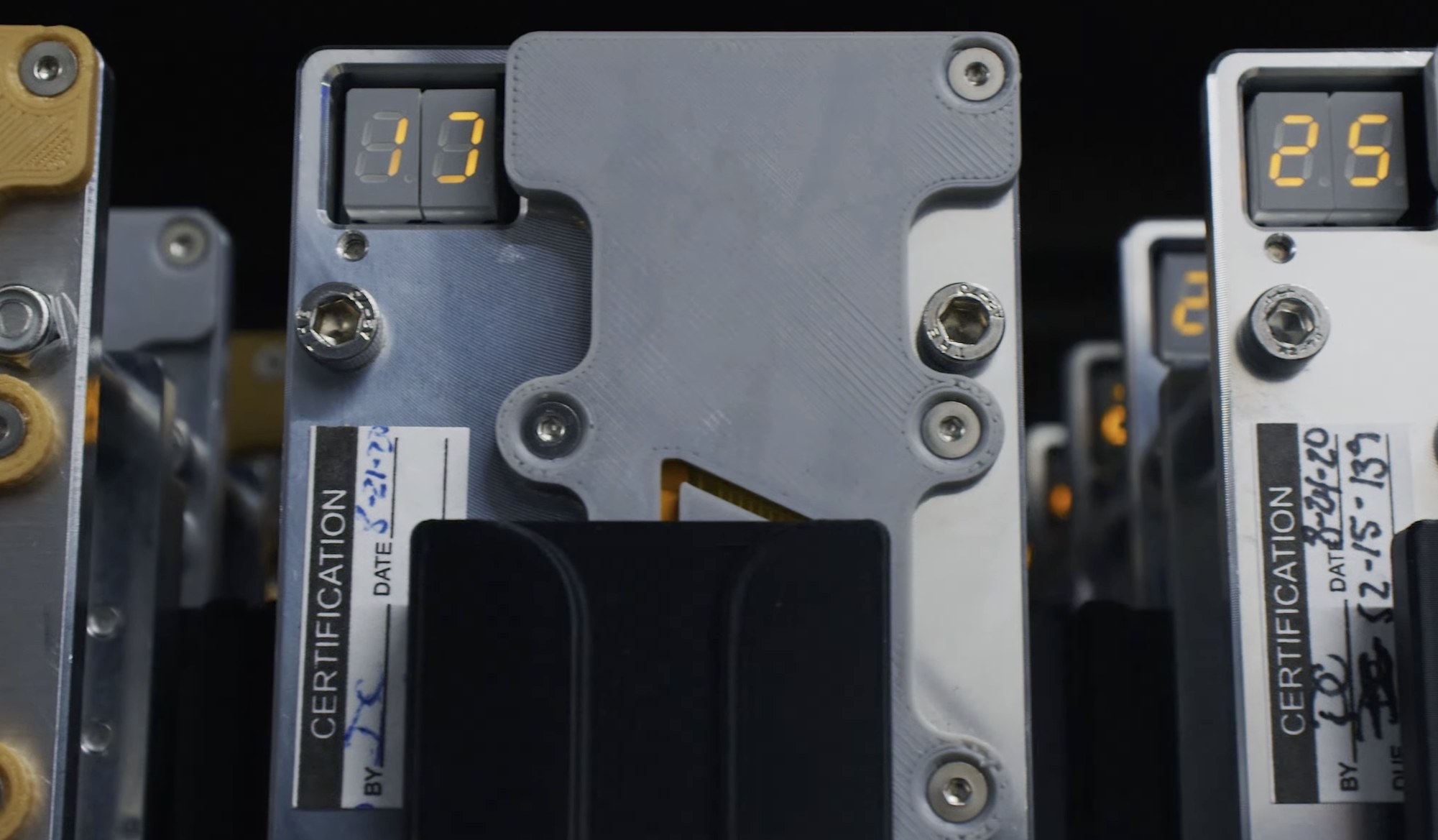
Large-format battery cells in certified test fixtures with digital readouts
Validate in larger format cells to demonstrate commercialization potential. Top candidates from HTP screening, are then validated in larger cell formats (SLP, MLP).

The Result

Roadmap
targets
exceeded.

Up to +20% above target in large-format cell validation — across every phase of the roadmap.

Your roadmap deserves the same. Learn more →

All news